High rent vs high risk: should you buy in a mining town?
Mining town rents are at levels the rest of Australia struggles to believe, and mining town price history includes falls the rest of Australia struggles to believe too. Both things are true, and pretending otherwise helps nobody. Here is the honest picture of renting versus buying in a WA mining town, with the real numbers on both sides.
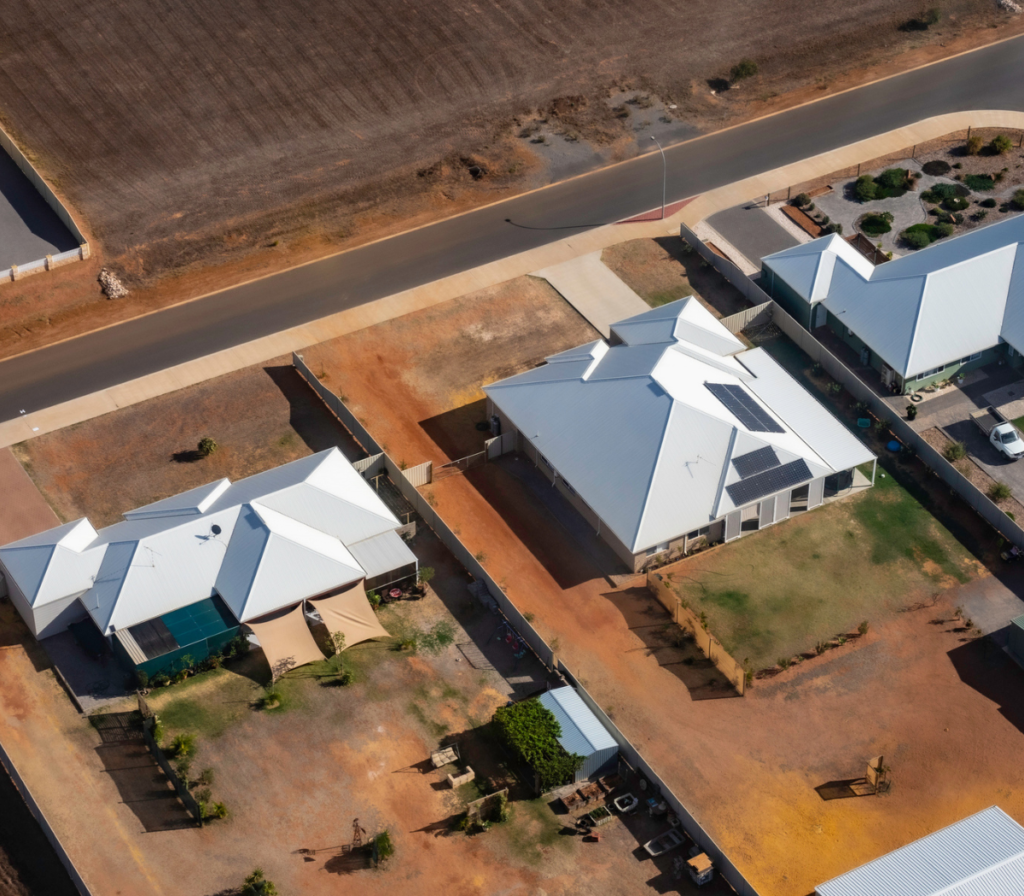
If you live in Karratha, Hedland or Newman, you already know both halves of this question personally. The rent half arrives every week: mining town rents are at levels the rest of Australia struggles to believe. The risk half lives in local memory. People here know someone who bought at the last peak and watched the value fall by more than half. Both halves are real and both have numbers behind them. Here is what else is real: thousands of people own homes in these towns, plenty bought well, and mining town lending is our bread and butter, files we write every single week. The honest conversation holds all of it at once, and that is what this one is. No spruiking, no doom, just the actual picture and how to put it to work.
How high are mining town rents right now?
Short answer: the highest in regional Australia. REIWA’s March 2026 quarter put Karratha’s median rent at $1,450 a week after rising 31.8 per cent in a year, the most expensive regional market in WA. Cotality data has ranked Port Hedland the most expensive place to rent in the entire country. A median renter in these towns is paying $70,000 or more a year for housing.
The drivers are structural, not a blip. REIWA’s regional reporting is blunt about who is bidding rents up. Mining companies, their subcontractors and government departments, all needing to house workers and all able to pay. Behind them sits a project pipeline the ABC has reported at more than $160 billion. Add a construction sector that cannot build fast enough in the north, and towns where vacancy is functionally zero. Statewide, the squeeze shows up in Cotality’s numbers. WA rents rose 66 per cent in five years against wages growing 18.5 per cent, reported as the widest gap of any Australian jurisdiction.
Karratha’s own history makes the point fastest. The ABC reported its median rent at roughly $470 a week five years before it hit $1,100 at the end of 2023. That 134 per cent jump led every regional city in the country, and REIWA now has it at $1,450. For a household on an ordinary income, that is not a rent. That is a second mortgage with nothing at the end of it.
What is the risk everyone talks about?
Short answer: the last cycle. Between July 2012 and July 2019, CoreLogic data reported by the ABC shows East Pilbara’s median house price fell from $880,000 to $170,000. That is a slump of 80.5 per cent, and Port Hedland houses fell almost 75 per cent over the same period. People who bought at the peak spent years in negative equity, and some never recovered the difference.
This is the half that property marketing never mentions, so we will. When the construction phase of the last boom ended, the workforce shrank and tenants left. Prices in the Pilbara’s towns fell further than almost anywhere in Australian history. South Hedland units that traded above $300,000 changed hands below $100,000. The damage was severe enough to show up in national financial stability monitoring. The Reserve Bank’s April 2019 review found almost 60 per cent of Australia’s negative equity home loans sat in WA and the Northern Territory, concentrated in mining-exposed regions.
And the rent story carries the same warning inside it. Karratha’s median rent today, at $1,450, is still below the $1,750 peak REIWA recorded in December 2011. Rents that later fell to $470 a week. The same market that charges $75,000 a year today charged $24,000 a year in the trough. Mining towns do not do gentle cycles, in either direction. And here is the useful part: everyone who buys here now gets to buy with that knowledge. The last generation learned it the hard way so this one does not have to, and every step in the risk section below exists because of it.
The rent is real and so is the history. Anyone who tells you only one half of that story is selling something.
Is it different this time?
Short answer: honestly, nobody knows, and you should be suspicious of anyone who claims to. Some things are genuinely different: more production-phase jobs rather than construction-phase, a structural housing shortage, companies leasing long-term for permanent workforces. One thing is exactly the same: these are single-industry towns, and their property markets follow the industry. None of that makes buying wrong. Locals have bought well in every phase of every cycle. It makes the cycle part of the deal, and deals get better when you know the terms.
The optimistic case is real. Production workforces are more permanent than construction ones, the project pipeline is enormous, housing supply cannot respond quickly, and Karratha yields above 10 per cent reflect genuine, paying demand. The cautious case is also real. Iron ore prices, project timelines and company housing decisions sit outside any homeowner’s control, and the 2012 to 2019 experience happened to people who had heard an optimistic case too. We are brokers, not fortune tellers, and this guide will not pretend to know which case wins. What we can do is show you the maths on both sides of the rent-or-buy decision, because that part is knowable.
What does the rent-vs-buy maths actually look like?
Short answer: unusual, by Australian standards. In most of the country, renting is cheaper than owning the same house. In mining towns, rents are so high relative to prices that the equation can flip. A median Hedland house at $590,000 carries a smaller annual interest bill at current rates than the rent on the house next door. Whether that maths works for you depends on your deposit, your timeframe and your honesty about the cycle.
Run the shape of it, and note these are illustrations, not your numbers. Take a median Port Hedland house at REIWA’s $590,000, bought with a solid deposit. The yearly interest sits in the ballpark of $30,000 to $35,000 at current rates. Median rent in these towns runs $65,000 to $75,000 a year. That gap is why yields exceed 10 per cent and investors keep arriving. It is why plenty of locals conclude that owning the roof beats renting it, even after rates, insurance and cyclone-region upkeep. The other side of the ledger is the one the last cycle taught: the purchase price itself is the bet. A buyer who pays $590,000 and needs to sell into a downturn may not get $590,000 back. The rent they saved can be swallowed by the value they lost. Deposit size, holding power and timeframe decide who that maths punishes and who it rewards, and all three are things you get to choose before you buy. That is the genuinely good news in all of this: the risk here is not weather, it responds to preparation.
If you do buy in a mining town, how do you manage the risk?
Short answer: you buy like someone who has read the history. That means a real deposit rather than the minimum, repayments you can hold through a downturn, a timeframe measured in years, and a lender chosen for mining-town appetite before you sign anything. Plenty of people in these towns have done exactly this and done it well. The risk is real, the management is real too, and preparation is the whole difference.
- Buy to hold, not to time. The people the last cycle hurt worst needed to sell into the trough. A timeframe that can ride a downturn changes the entire risk picture.
- Make the deposit your shock absorber. Bigger equity from day one is the difference between an uncomfortable downturn and an impossible one.
- Stress your own repayments. Not what the calculator says you can borrow. What you can hold if the roster changes, the bonus stops or a tenant leaves.
- Know the postcode rules before you fall for a house. Some lenders cap lending or ask more deposit in mining towns, and lender choice moves the whole deal. Our postcode restrictions guide covers exactly this.
- Get the income read right. Mining money is strong but lenders read it unevenly, rosters, allowances and all. Covered properly in how FIFO income is assessed.
- If you are building instead, price the north honestly. Construction up here carries its own premium and its own lending shape, covered in construction loans in the Pilbara.
So, high rent or high risk: what is the answer?
Short answer: it is personal, and anyone who gives you a universal answer has not looked at your numbers. Renting at $1,400 a week with full flexibility is a legitimate choice. Buying with a strong deposit, honest repayments and a hold-through-the-cycle plan is a legitimate choice. The setup to avoid is the one the last cycle punished: top of your borrowing power, minimum deposit, short timeframe. Get the setup right and buying here has rewarded plenty of locals, high yields, real equity, and no more $1,400 a week to a landlord. The job is knowing which setup you are actually choosing.
From the broker’s desk: we live and work in these towns. We pay these rents and hold these mortgages ourselves, and we have seen both halves of this story up close. This is our patch and this lending is our bread and butter, so here is our honest offer. Before you decide anything, let us run your actual numbers. Your deposit, your income the way lenders will actually read it, your repayments stressed properly, and the lenders whose appetite fits your postcode. Not a sales pitch, a clear picture. What you decide from there is genuinely yours. Reach out and we will look at it properly.
About Pilbara Finance
WA-owned, servicing Western Australia and clients Australia-wide.
We compare the options across the panel and give a solid recommendation based on your circumstances.
Sound like your situation?
Twenty minutes on the phone, no paperwork to start. We will tell you what your income looks like to a lender before you go anywhere near one.
Start with a chatThis guide is general information for the Australian market, not advice about your situation. Lender credit policy changes, and what applies to you depends on your circumstances. Pilbara Finance is a credit representative (478535) of Mortgage Specialists Pty Ltd, Australian Credit Licence 387025.