Is rentvesting a good idea if you work in regional WA?
Rentvesting means renting where you want to live and buying an investment property where the numbers stack up. It works for lots of people, and it is especially strong for regional WA workers, whose low living costs give them real room to invest. Here is how it works and who it suits.
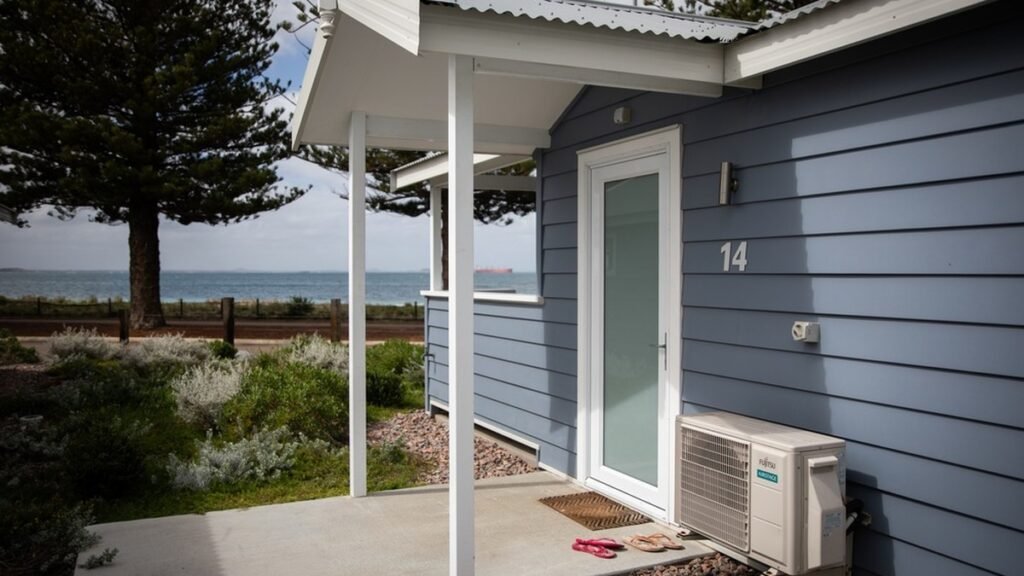
Short answer up top, then the detail. Rentvesting is one of the most practical ways into the property market, and it works for a lot more people than you might think. The idea is simple. You rent the home you live in, and you buy an investment property where the numbers make sense. It suits first home buyers priced out of their suburb, people who move for work, and anyone who wants to own without being tied to where they live. It is especially strong for regional WA workers in Karratha, Port Hedland, Newman, Kalgoorlie, Geraldton and Broome, whose living costs are often low. Low living costs are exactly what give you room to hold an investment and still live well. Here is how rentvesting works, what the 2026 tax changes mean, and how to weigh it up.
What is rentvesting, and who does it suit?
Short answer: rentvesting means renting the home you live in while owning an investment property somewhere else. It suits anyone who wants to own property without being tied to where they live. That covers first home buyers priced out of their suburb, people who move for work, and regional WA workers whose low living costs give them real room to invest.
Traditional home ownership ties two decisions together: where you live, and what you own. Rentvesting deliberately separates them. You keep renting somewhere that suits your life, close to work, family or the coast. You buy where the returns are, not where you happen to live.That opens up the whole country as a market, not just your own postcode.
The reason it works is different for different people. Here is where it tends to fit best.
- First home buyers priced out of their suburb. You buy where it is affordable and keep renting where you actually want to live.
- People who move for work. Your asset stays put and keeps growing while you are free to relocate.
- Regional and FIFO workers with low living costs. Camp accommodation, a site allowance or modest regional rent frees up real capacity to hold an investment.
- Lifestyle renters. You get the coast or the inner city without overstretching to buy there.
- Investors who want flexibility. A more affordable investment keeps your options open compared with one large home loan.
How does rentvesting actually work?
Short answer: you keep renting where you live, then buy an investment property in an area with stronger growth or yield. Your tenant’s rent helps cover the investment loan. Lenders commonly count most of that rent as income when they assess you. The rent you pay is treated as a living expense. Both sides are weighed together to work out what you can borrow.
The mechanics are straightforward once you see them. Your investment property earns rent.Lenders commonly count most of that rent toward your income when they assess a loan. Against that, they factor in the rent you pay to live. This is where anyone with modest living costs is well placed, and regional workers often especially so. If your accommodation is subsidised, or your rent is low, your expenses side looks strong. That can help your borrowing position.How a housing allowance or living away from home allowance is treated as income depends on the lender. It is worth getting a read on your specific income before you go looking.
Many investors use interest-only loans in the early years to keep holding costs down. As Moneysmart notes on buying an investment property, the interest-only period ends, and repayments then rise. The right structure depends on your cash flow and your plans. It is one of the things we work through with you. You can see how we approach this on our investment loans page.
What are the benefits of rentvesting?
Short answer: you get into the market sooner, you buy for returns instead of being tied to where you live, and you keep the freedom to move with your life. Your tenant’s rent helps carry the loan. The running costs of an investment property are commonly deductible, unlike the costs of a home you live in.
The core benefit is a head start. You do not have to wait years to save for a home in an expensive suburb. You buy a more affordable investment now, and let the market work for you while you live where you want. For anyone whose living costs are modest, that head start arrives sooner than it would for a renter paying full freight in a pricey suburb.
Rentvesting lets you stop choosing between the life you want and the asset you need. You rent one, and you own the other.
There is also a tax logic.The running costs of an investment property are commonly deductible against the income it earns. That includes loan interest for eligible purchases. The cost of a home you live in is not deductible. The trade offs matter too, and we cover them below.
How the two paths compare
Rentvesting vs buying your own home first
| What changes | Rentvesting | Buying your own home first |
|---|---|---|
| Where you live | You rent where you want to be, close to work, family or the coast. | You live in the home you buy, which may not be where you would choose. |
| What you buy | An investment chosen for growth or yield, in any location that stacks up. | A home chosen for lifestyle and location, within your borrowing limit. |
| First home buyer schemes | Generally not used, because schemes like the 5% Deposit Scheme need you to live in the home. | You may be able to use first home buyer schemes if you meet the rules. |
| Capital gains on where you live | You rent, so there is no main residence to claim the capital gains exemption on. | Your home is generally exempt from capital gains tax while it is your main residence. |
| Running costs | Investment costs are commonly deductible against the rent it earns. | The costs of your own home are not deductible. |
| Flexibility to move | High. You can move with your roster or your life and keep the asset. | Lower. Selling and rebuying a home carries real cost each time. |
How do the 2026 tax changes affect rentvesting?
Short answer: from 1 July 2027, negative gearing on established homes bought after 12 May 2026 can no longer be claimed against your salary. The 50% capital gains tax discount is replaced by an inflation based method. New builds keep both. This makes what you buy, and when, worth planning deliberately with your accountant.
Two changes announced in the 2026 Federal Budget arenow law, and both apply from 1 July 2027. Negative gearing for residential property will be limited to new builds. The 50% capital gains tax discount for individuals, trusts and partnerships will be replaced with cost base indexation and a 30% minimum tax rate on gains. The detail is on the ATO’s page on the negative gearing and capital gains tax reform.
The impact on existing investors is limited. Properties held at the announcement, 7:30pm AEST on 12 May 2026, are exempt from the negative gearing changes. The capital gains changes only apply to gains that build up after 1 July 2027. For a rentvestor buying now, the point is simple. The type of property, new build or established, changes the tax treatment. None of this is tax advice. How it applies to your purchase is a conversation for your accountant.
New builds versus established property
Investment property tax treatment after the 2026 reform (from 1 July 2027)
| Tax feature | New build | Established, bought after 12 May 2026 |
|---|---|---|
| Negative gearing against your salary | Available, as under current rules. | Not available. Losses offset residential property income only, with any excess carried forward. |
| Capital gains tax on sale | The 50% discount can still apply. | The 50% discount is replaced by cost base indexation on gains after 1 July 2027. |
| Best suited to | Investors who value the tax treatment and want new stock. | Investors focused on location, price or yield over the tax position. |
What should you weigh up before you rentvest?
Short answer: rentvesting is a strong strategy, not a free lunch. You are a tenant in your own home, so you give up the main residence capital gains exemption on where you live. You also generally step outside first home buyer schemes, which need you to live in the property. Weigh these against the head start of getting into the market sooner.
A few things are worth going in with your eyes open on.First, you rent your home rather than own it. So you do not have a main residence to claim the capital gains tax exemption on. Your investment property is fully within the capital gains net when you sell. Second,first home buyer schemes are built for owner-occupiers. A pure investment purchase generally does not use them. Owning an investment can also change how you are treated as a first home buyer down the track. How that plays out with WA grants and duty depends on your circumstances. It is worth checking before you buy, not after.
Third, the ordinary risks of any investment property apply. As Moneysmart points out, rent may not always cover the loan. There can be vacant periods, and values can fall as well as rise, so a cash buffer matters. Weighing an investment in a single industry town in particular is its own decision. Our guide on high rent versus high risk in a mining town walks through that trade off. None of this is a reason to stop. It is a reason to plan.
How do you get started with rentvesting?
Short answer: get clear on your living costs and income, work out your borrowing position, and choose an investment area for returns rather than postcode loyalty. Get your accountant’s read on the tax. Then place the finance with a lender whose policy suits your income type. One well matched application and you are on your way.
- Map your real living costs. Low rent, camp accommodation or a site allowance all work in your favour. Know the numbers, because they shape what you can comfortably hold.
- Get your borrowing position clear.Your income type matters. How allowances and rental income are counted varies by lender, so a clear picture first saves time later.
- Choose the investment for returns. Look at growth prospects, rental yield and vacancy, not whether it is near where you live. That freedom is the whole point of rentvesting.
- Get the tax read. Talk to your accountant about new build versus established before you commit.
- Place the finance once, properly. The right lender for your income and your plan is where a clean approval comes from. That matching is what we do.
From the broker’s desk: rentvesting is one of the most satisfying strategies we help people with. It lets you buy for your future without giving up the life you want now. We see it with first home buyers who refuse to leave the suburb they love, with people whose careers keep them on the move, and with workers across the Pilbara, the Goldfields, the Mid West and the north whose low living costs put them in a stronger spot than they realise. Every situation is different, and you might be closer than you think. Have a chat with us and we will look at yours properly.
About Pilbara Finance
WA-owned, servicing Western Australia and clients Australia-wide.
We compare the options across the panel and give a solid recommendation based on your circumstances.
Sound like your situation?
Twenty minutes on the phone, no paperwork to start. We will tell you what your income looks like to a lender before you go anywhere near one.
Start with a chatThis guide is general information for the Australian market, not advice about your situation. Lender credit policy changes, and what applies to you depends on your circumstances. Pilbara Finance is a credit representative (478535) of Mortgage Specialists Pty Ltd, Australian Credit Licence 387025.